April 25, 2026 • Dale Merrick • 9 min reading time • Prices verified June 5, 2026
OEM-Approved Fuel Additives for BMW, Audi, VW, and Mercedes: The Spec-Number Checklist
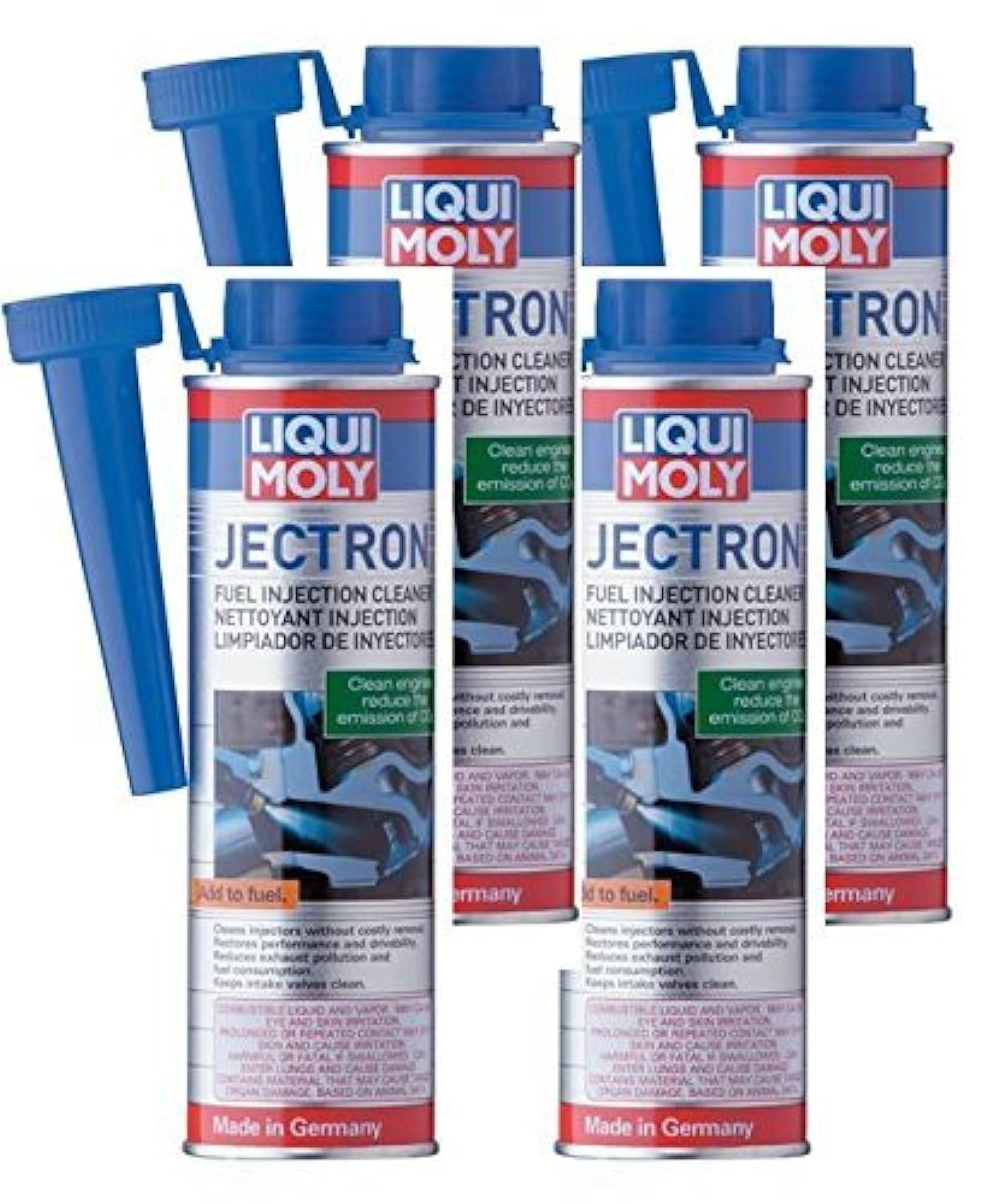
If you’ve ever stood in an auto parts store holding a bottle of fuel system cleaner and wondered whether it’s actually safe for your BMW or your friend’s Audi — you’re not paranoid, you’re right to ask. European automakers like BMW, Volkswagen, Audi, and Mercedes-Benz publish specific approval standards for the chemistry that goes into their fuel systems. An “OEM approval” (Original Equipment Manufacturer approval) means the automaker has evaluated a product or a chemistry family and formally cleared it for use in their engines without voiding warranties or damaging sensitive components like high-pressure direct-injection fuel pumps and piezoelectric injectors. This article walks you through which spec numbers matter, which products carry verified approvals, and how to use that information as a concrete checklist — whether you’re maintaining your own car or advising a customer across the shop counter.
Why European OEM Spec Numbers Are the Actual Signal
Generic marketing language on additive bottles — “safe for all fuel systems,” “advanced formula,” “cleans injectors fast” — tells you almost nothing about compatibility with a turbocharged 2.0T TFSI, a BMW B58 inline-six, or a Mercedes M256 mild-hybrid. These engines share a few characteristics that make chemistry selection genuinely consequential:
High-pressure fuel pumps (HPFP). GDI engines (Gasoline Direct Injection — meaning fuel is sprayed directly into the combustion chamber rather than the intake port) rely on fuel-lubricated high-pressure pumps operating at 150–350 bar. Aggressive solvents that strip lubricity from the fuel film can accelerate cam follower wear on the HPFP, a documented failure mode on early EA888 and N54/N55 engines.
Piezoelectric injectors. Many Mercedes and later Audi engines use piezo injectors, which use an electrical crystal stack — not a traditional solenoid coil — to control fuel spray. Published Bosch service documentation notes that certain ester-based solvents can degrade the sealing compounds used inside these injectors over repeated exposure.
Tight tolerances and emissions calibration. Euro 6d-TEMP and later emissions systems use oxygen sensors and catalysts calibrated to narrow fuel-chemistry windows. An additive that introduces combustion byproducts outside that window can trigger fault codes.
The spec number on a product approval letter is the OEM’s signal that a formulation has passed their internal chemistry review. It’s not a performance guarantee — it’s a compatibility floor.
The Four Spec Numbers That Actually Appear on Approval Documents
BMW GS 94002
BMW’s fuel additive specification is GS 94002. This is the internal standard BMW Group uses to evaluate fuel system cleaning additives for compatibility with BMW and MINI engines. Products carrying a documented GS 94002 reference have been submitted to and reviewed by BMW’s engineering organization.
Liqui-Moly’s published OEM approval database — which is one of the most transparently maintained in the European additive segment — lists several of their products against the BMW approval framework, including their Injection Cleaner (part number 2007) and Gasoline System Cleaner Plus formulations. Liqui-Moly GmbH’s approvals documentation makes these references verifiable: the brand publishes approval letters by product SKU, which is the standard you should hold any claimed BMW-approved additive to.
Checklist item: Ask for the approval letter reference or the product’s listing in a verifiable OEM approval database — not just “compatible with BMW” on the bottle label.
Volkswagen/Audi TL 52435
Volkswagen Group (which covers VW, Audi, SEAT, ŠKODA, and Porsche under shared powertrain architecture) uses TL 52435 as the relevant internal fuel additive technical standard. The “TL” designation stands for Technische Liefervorschrift — German for “technical delivery specification” — which is the document class VW Group uses for supplier-facing chemistry requirements.
TL 52435 addresses additive compatibility specifically within the context of GDI and FSI (Fuel Stratified Injection — VW Group’s branded name for their GDI system) engines. Formulations approved against this standard have been evaluated for behavior in the EA888 Gen 3/3B and EA839 engine families, the platforms behind most Audi A4/A5/Q5 and VW Golf/Passat/Tiguan sold globally through 2026.
Wynns International’s product specification sheets for their Injector Cleaner Plus reference VW Group compatibility in their technical data, though the distinction between a formal TL 52435 letter and general VW Group compatibility language is worth noting — the approval letter is the higher standard.
Mercedes-Benz Sheet 229.5x / Fuel Additive Approvals
Mercedes-Benz uses a slightly different document structure. Their Sheet 229.5x series is primarily associated with engine oil approvals, but MB’s fuel quality and additive compatibility requirements are communicated through separate internal quality documents that approved suppliers reference. When a brand claims Mercedes-Benz compatibility, the verifiable form is citation of an MB Approval Number issued through Mercedes-Benz Cars procurement — not a general claim.
Liqui-Moly again stands out here: their approvals database lists MB-relevant certifications with document reference numbers. The SAE’s review literature (SAE International, SAE J1297) notes that OEM fuel chemistry approvals across European automakers generally converge on similar criteria — low sulfur sensitivity, no halogenated solvents, compatibility with modern catalyst systems — which is why brands with deep approval portfolios across one European OEM tend to carry documentation for others as well.
BMW/VW Shared: Low-Emission Additive Chemistry
One practical overlap worth noting: both BMW GS 94002 and VW TL 52435 converge on restrictions against certain metallic combustion modifiers (MMT, ferrocene) and require additive chemistry that doesn’t impair OBD-II (On-Board Diagnostics) sensor function. If a product’s SDS (Safety Data Sheet — the standardized chemical disclosure document every manufacturer must publish) lists organometallic compounds in the active ingredient section, that’s a flag for both approval frameworks.
The Shortlist: Products With Verifiable OEM Approval Trails
Based on published manufacturer documentation and aggregated technical coverage as of May 2026:
Liqui-Moly Injection Cleaner (2007) and Pro-Line Gasoline System Cleaner Liqui-Moly GmbH’s approvals database is the most complete publicly navigable approval trail in the consumer additive segment. Their documentation references BMW, VW Group, and Mercedes approval frameworks by product SKU. Independent shop operators running European marques consistently cite Liqui-Moly as the default choice precisely because the approval paper trail is auditable. Per Liqui-Moly GmbH’s published documentation, over 4,000 OEM and vehicle manufacturer approvals are maintained across their product line — the fuel additive segment carries a meaningful subset of those.
Wynns Injector Cleaner Plus Wynns International’s product specification sheets reference VW Group compatibility and detail the PEA (Polyether Amine — the detergent chemistry class with the strongest track record for injector deposit removal) concentration and carrier fluid composition. Wynns has a longer European market presence than most North American brands and publishes technical data sheets that name-check specific engine families.
BG 44K BG Products Inc.’s published product data sheet for BG 44K documents compatibility with gasoline fuel systems and identifies it as safe for oxygen sensors and catalytic converters. BG does not publish formal OEM approval letters in the same format as Liqui-Moly, which is worth noting for European-car owners whose warranty considerations are active. That said, BG 44K’s PEA concentration — documented in BG’s technical literature as the primary active — is among the highest in the consumer-accessible segment, and independent shop operators across the BMW/Audi community cite it frequently for high-mileage carbon mitigation on GDI platforms.
By the numbers — Approximate PEA Concentration and Price per Treatment (May 2026):
| Product | Approx. PEA % (published/estimated) | Retail per treatment | OEM Approval Letter |
|---|---|---|---|
| Liqui-Moly Injection Cleaner (2007) | ~35–40% active | $10–$14 | BMW, VW Group documented |
| BG 44K (11 oz) | High (exact % proprietary) | $28–$35 | Not published in OEM letter format |
| Wynns Injector Cleaner Plus | Moderate-high | $12–$18 | VW Group compatibility referenced |
| CRC GDI IVD Cleaner | PEA + PIB blend, GDI-specific | $15–$22 | No formal European OEM letter |
PEA percentages are sourced from published SDS and technical data sheets where available; proprietary formulations are noted.
How to Use This as a Decision Checklist
Here’s the practical frame. If you’re maintaining an in-warranty European vehicle or advising a customer with one:
If the car is under active manufacturer warranty: The approval letter is non-negotiable. Use Liqui-Moly with the documented approval reference for the specific marque. This is the only segment of the market where the paper trail has concrete warranty implications. Pull the approval letter from Liqui-Moly’s online database before the service — it takes three minutes and it’s the right answer if a warranty claim ever surfaces.
If the car is out of warranty but high-mileage GDI with carbon buildup history: BG 44K or Liqui-Moly Pro-Line Gasoline System Cleaner at full-tank concentration, on a 5,000-mile interval, is the documented approach across operator communities. The cost-per-treatment math on BG 44K ($28–$35 per treatment at the labeled dose) versus a walnut blasting service ($300–$600 at an independent shop) makes the preventive chemistry argument clearly favorable.
If the vehicle is a diesel (TDI, CDI, d-engine): The approval framework shifts. VW Group’s diesel additive standards reference different internal specs, and Liqui-Moly’s diesel-specific products carry separate approval documentation. Don’t apply gasoline-system chemistry to diesel fuel systems.
If you’re sourcing product for a shop that services multiple European marques: Liqui-Moly’s approval database structure makes it the operationally simplest choice — you can verify compatibility for a specific engine code before the service rather than relying on general label claims. Wynns is a reasonable secondary option for VW Group volume.
The counterfeit sourcing flag: BG 44K and Liqui-Moly are the two products in this segment with documented counterfeit circulation in online marketplaces. BG Products Inc.’s published guidance directs buyers to authorized distributors and flags third-party marketplace listings as unverifiable. For shop buyers, establishing a direct distributor account removes this variable entirely.
The One Habit That Changes Your Sourcing Practice
Keep a running document — even a notes app entry — that maps each vehicle in your service rotation to its relevant OEM spec number. For a BMW 330i: GS 94002. For an Audi A4 TFSI: TL 52435. For a Mercedes C300: MB Fuel Approval reference. Then match the product to the spec before purchase, not after.
The approval letter is a five-minute lookup that converts a $12 additive purchase from a guess into a defensible decision. For the European-car segment specifically, that distinction matters — both for the chemistry outcome and for the conversation you’d rather not have with a warranty claims department.
The spec number is the signal. Everything else is marketing.